
Supplements · 5 min read
Supplements: evidence vs. hype
A clear-eyed look at which supplements have real data behind them
Why supplements are complicated
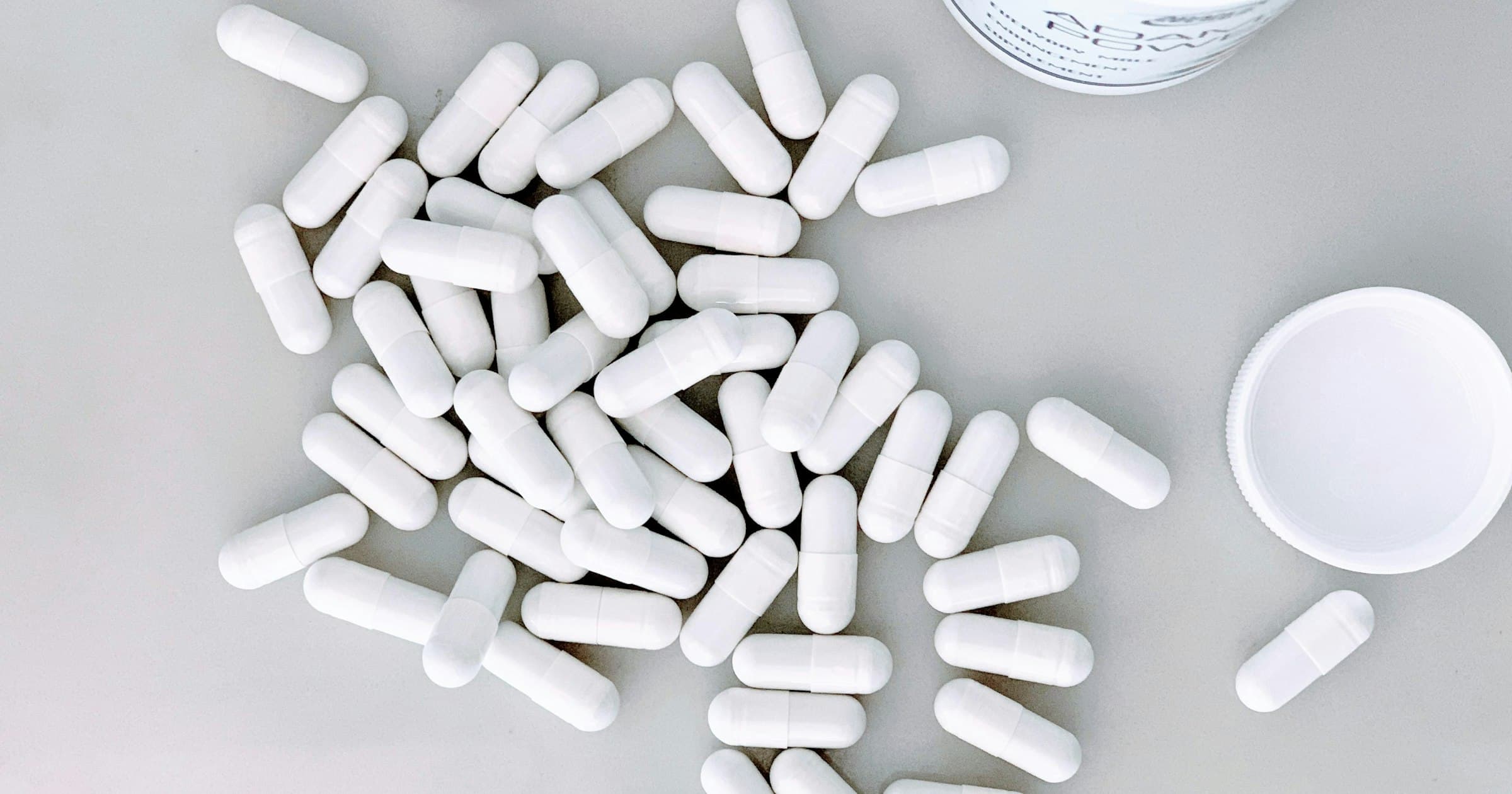
The supplement industry is largely unregulated. Claims on labels don't require the same rigorous evidence as pharmaceutical drugs. Many supplements are marketed based on mechanistic plausibility ("this vitamin is involved in brain function") rather than demonstrated benefit in humans. That said, several supplements have genuine, replicated evidence — particularly for correcting deficiencies.
High-evidence supplements
Vitamin D — Deficiency is extremely common (estimated 40%+ of people in northern latitudes) and strongly associated with cognitive impairment, fatigue, and mood disorders. Correction of deficiency reliably improves these symptoms. Standard supplementation: 1,000–4,000 IU daily, ideally tested and dosed to maintain serum levels of 40–60 ng/mL.
Vitamin B12 — Deficiency causes fatigue, brain fog, and neurological symptoms. Vegans, vegetarians, and people over 50 are at elevated risk. Methylcobalamin form is preferred. If deficient, correction can be dramatically effective.
Omega-3 (EPA/DHA) — Docosahexaenoic acid (DHA) is a structural component of neuronal membranes. Low dietary intake (common in those who don't eat oily fish) is associated with cognitive impairment and depression. Supplementation (1–2g combined EPA/DHA daily) has consistent evidence for mood and some evidence for cognitive function.
Magnesium — Widely deficient due to soil depletion and low vegetable intake. Involved in sleep, anxiety regulation, and hundreds of enzymatic reactions. Magnesium glycinate or threonate are well-absorbed forms. Supplementation improves sleep quality in deficient individuals.
Moderate-evidence supplements
- Lion's Mane mushroom: preliminary evidence for NGF (nerve growth factor) stimulation; promising but limited human trials
- Rhodiola rosea: adaptogen with several small RCTs showing reduced fatigue and stress perception
- Bacopa monnieri: long-used Ayurvedic herb with decent evidence for memory in older adults; takes 8–12 weeks
- Ashwagandha: reasonable evidence for cortisol reduction and stress; helps some people with sleep
Low-evidence / hype territory
- Most "nootropic blends": proprietary formulas with underdosed ingredients
- Ginkgo biloba: promising mechanism, inconsistent clinical results; most large trials show no benefit
- Phosphatidylserine: some evidence in older adults with cognitive decline, less clear in healthy adults
- Racetams (piracetam, aniracetam): used in Europe; mixed evidence, not FDA-approved in the US
This article is for information only and is not medical advice. If your brain fog is severe or persistent, please talk to a healthcare provider. More articles